Quant Strategies
Python-based quantitative strategies — momentum, mean-reversion, and volatility models with backtest results.
ATR for stops and position size
Learn how ATR is calculated and how to use it for volatility-based stops, position sizing, trailing exits, and breakout rules.
Bollinger Bands Usage: Volatility Analysis and Trading Timing
An overview of Bollinger Bands principles and practical application techniques. Covers band contraction and expansion, overbought/oversold signals, and combining with other indicators.

How to Use Polymarket Prediction Market Data as Quant Signals
Prediction markets are regarded as more accurate than polls. This article explains how to collect real-time probability data from Polymarket and quantify macro event risks.
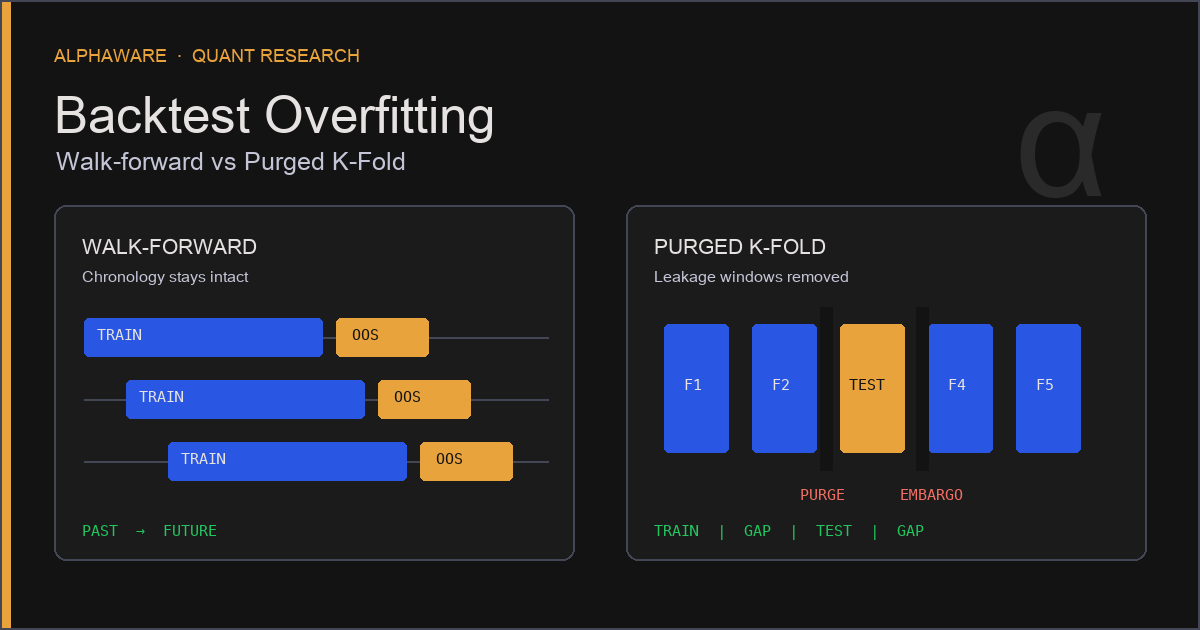
Preventing Overfitting in Backtests: Walk-forward vs Purged K-Fold Comparison
Many strategies that work well in historical backtests fail in live trading due to overfitting. Based on practical experience, this article compares Walk-forward and Purged K-Fold methods, explaining their differences and guidelines for choosing the right approach.
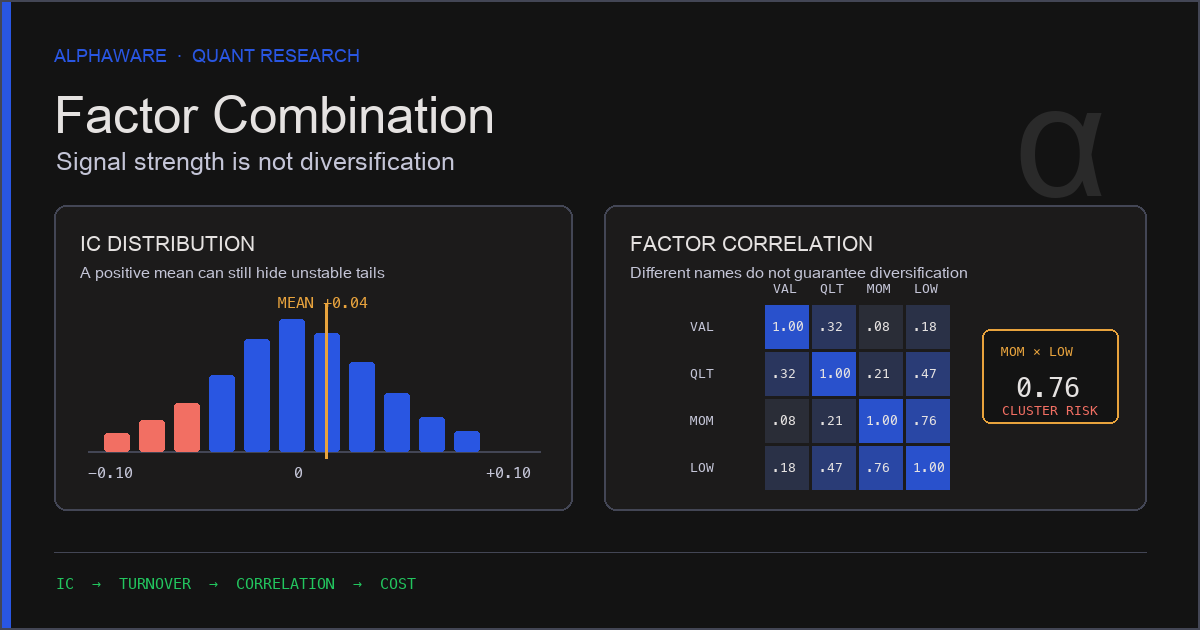
What to Consider Before IC in Factor Combination Strategies
Relying solely on IC (Information Coefficient) makes it difficult to assess the stability of a strategy. To truly evaluate the value of factor combinations, you need to also consider turnover, clustering, correlation structure, and rebalancing costs.
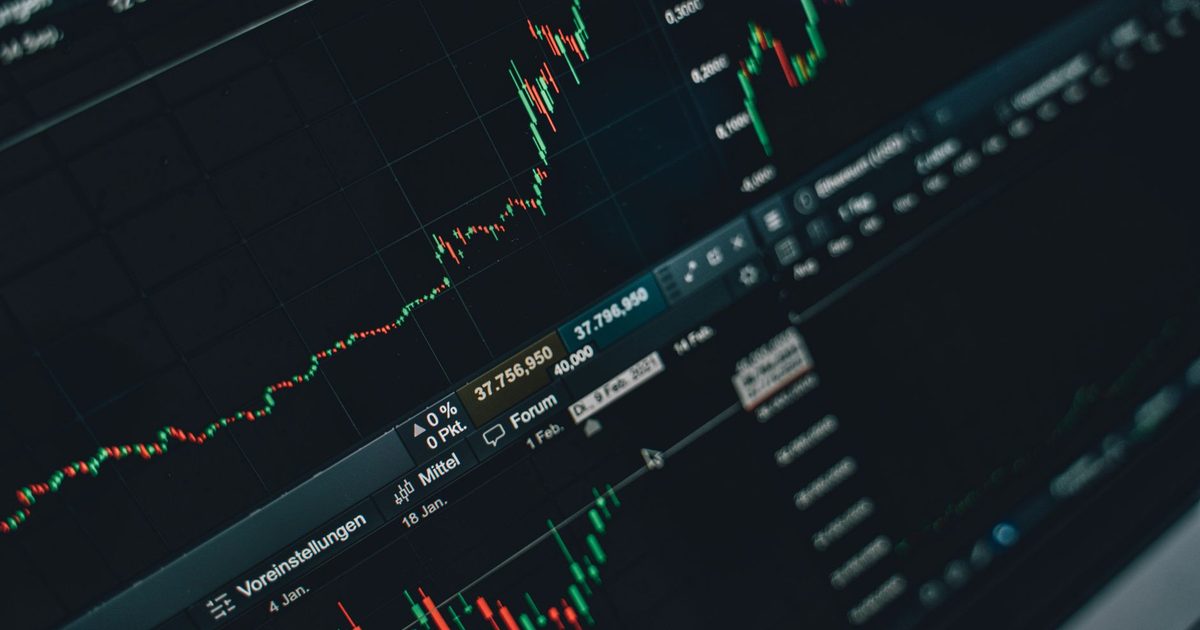
Creating Quant Strategies and Indicators with TradingView Pine Script
This article summarizes the workflow of developing custom indicators and strategies using TradingView's Pine Script and passing backtest results to Python.
RSI is not an automatic sell at 70
Learn what RSI is, how to interpret it, and how to use it in practice. Remember, RSI above 70 doesn't always mean it's time to sell.
How to Read MACD: Spot Golden Crosses and Timing Trades
This guide covers the components of the MACD indicator, how to interpret it, and how to utilize Golden Cross / Dead Cross signals. It is one of the most widely used trend-following indicators.